Benefits of Native Plants: Combatting Invasive Species

In recent years, the conversation around biodiversity and ecosystem health has gained significant traction. One of the most pressing issues is the threat posed by invasive species, which can disrupt local ecosystems and outcompete native flora and fauna. Native plants play a crucial role in combatting these invasive species, offering a multitude of benefits that extend beyond mere aesthetics. This blog post will explore the advantages of incorporating native plants into our landscapes and how they can help restore ecological balance.

Understanding Native Plants
Native plants are species that have evolved in a specific region over thousands of years. They are adapted to the local climate, soil, and wildlife, making them essential components of their ecosystems. Unlike non-native or invasive species, native plants have developed symbiotic relationships with local pollinators, birds, and other wildlife.
Characteristics of Native Plants
Adaptability: Native plants are well-suited to their environment, requiring less water and fewer fertilizers compared to non-native species.
Resilience: They are more resistant to local pests and diseases, reducing the need for chemical interventions.
Biodiversity Support: Native plants provide habitat and food for local wildlife, promoting a balanced ecosystem.
The Threat of Invasive Species
Invasive species are non-native organisms that, when introduced to a new environment, can cause harm to the ecosystem. They often outcompete native species for resources, disrupt food chains, and alter habitats. Some common invasive plants include kudzu, purple loosestrife, and Japanese knotweed.
Impacts of Invasive Species
Biodiversity Loss: Invasive species can lead to a decline in native plant populations, which in turn affects the animals that depend on them.
Economic Costs: The management and control of invasive species can be costly for local governments and landowners.
Ecosystem Disruption: Invasive plants can change soil chemistry, water availability, and light conditions, making it difficult for native species to thrive.
How Native Plants Combat Invasive Species
Incorporating native plants into our landscapes can significantly mitigate the impacts of invasive species. Here are some ways they help:
Competition for Resources
Native plants are well-adapted to their environment and can effectively compete with invasive species for resources such as sunlight, water, and nutrients. By establishing a strong presence, they can limit the growth of invasive plants.
Promoting Biodiversity
By planting native species, we can create a diverse ecosystem that supports a variety of wildlife. This biodiversity can help maintain ecological balance and resilience against invasive species. For example, a garden filled with native flowers can attract pollinators like bees and butterflies, which are essential for the reproduction of many plants.
Soil Health Improvement
Native plants often have deep root systems that improve soil structure and health. This can enhance water retention and nutrient availability, making it more difficult for invasive species to establish themselves. Healthy soil also supports a diverse range of microorganisms that contribute to ecosystem health.
Practical Benefits of Native Plants
Beyond their ecological advantages, native plants offer several practical benefits for homeowners and communities.
Low Maintenance
Native plants typically require less maintenance than non-native species. They are adapted to local conditions, meaning they need less water, fertilizer, and pest control. This can save time and resources for gardeners and landscapers.
Aesthetic Appeal
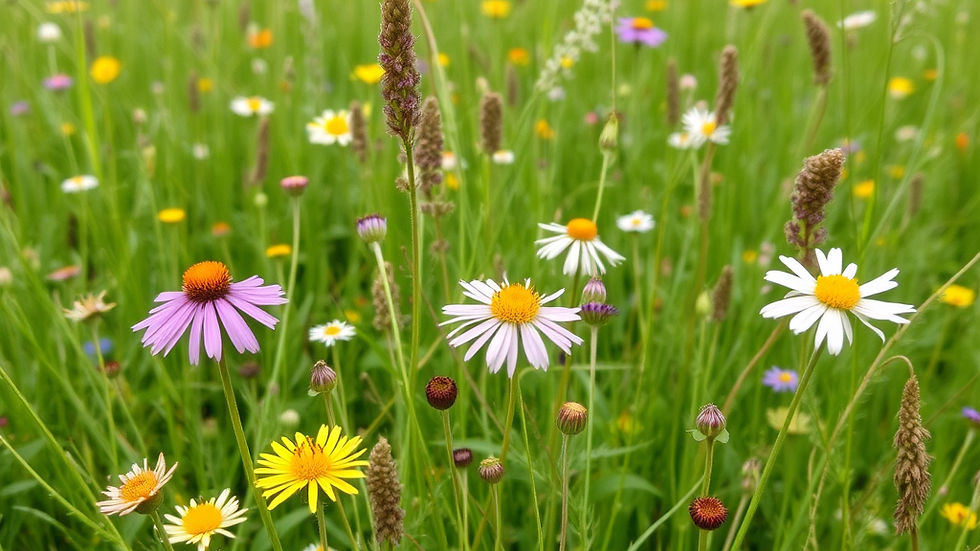
Native plants can enhance the beauty of landscapes with their unique colors, textures, and forms. They can create visually appealing gardens that reflect the local environment. For instance, a garden featuring native wildflowers can provide a stunning display of color throughout the growing season.
Economic Benefits
Using native plants can lead to cost savings in landscaping and maintenance. Additionally, native plants can increase property values by enhancing curb appeal and promoting local biodiversity.
Examples of Native Plants
Here are some examples of native plants that can be beneficial in various regions:
Eastern United States
Black-eyed Susan (Rudbeckia hirta): A hardy perennial that attracts pollinators and thrives in various soil types.
Eastern Redbud (Cercis canadensis): A small tree with beautiful pink flowers in spring, providing habitat for birds.
Western United States
California Poppy (Eschscholzia californica): The state flower of California, known for its vibrant orange blooms and drought resistance.
Lupine (Lupinus spp.): A nitrogen-fixing plant that enriches the soil and attracts butterflies.
Midwest United States
Coneflower (Echinacea spp.): A popular perennial that is drought-tolerant and attracts bees and butterflies.
Prairie Dropseed (Sporobolus heterolepis): A grass that provides habitat for wildlife and is excellent for erosion control.
Creating a Native Plant Garden
Starting a native plant garden can be a rewarding project that contributes to local biodiversity. Here are some steps to consider:
Research Local Species
Begin by researching which native plants are suitable for your region. Local extension services or native plant societies can provide valuable information.
Plan Your Garden
Consider the layout of your garden, including sun exposure, soil type, and moisture levels. Group plants with similar needs together to create a thriving ecosystem.
Source Native Plants
Look for local nurseries that specialize in native plants. Avoid purchasing plants that may be invasive or non-native.
Maintenance and Care
While native plants require less maintenance, they still need care during their establishment phase. Water them regularly until they are established, and monitor for any invasive species that may appear.
Conclusion
Incorporating native plants into our landscapes is a powerful strategy for combatting invasive species and promoting ecological health. By choosing native plants, we not only enhance the beauty of our surroundings but also support local wildlife and ecosystems. As we face increasing challenges from invasive species, the benefits of native plants become even more critical.
Consider starting your own native plant garden today and contribute to a healthier, more sustainable environment. Together, we can make a difference in preserving our natural heritage and combatting the threats posed by invasive species.