Creating a Native Garden: Top Plants for New Jersey and Essential Tips

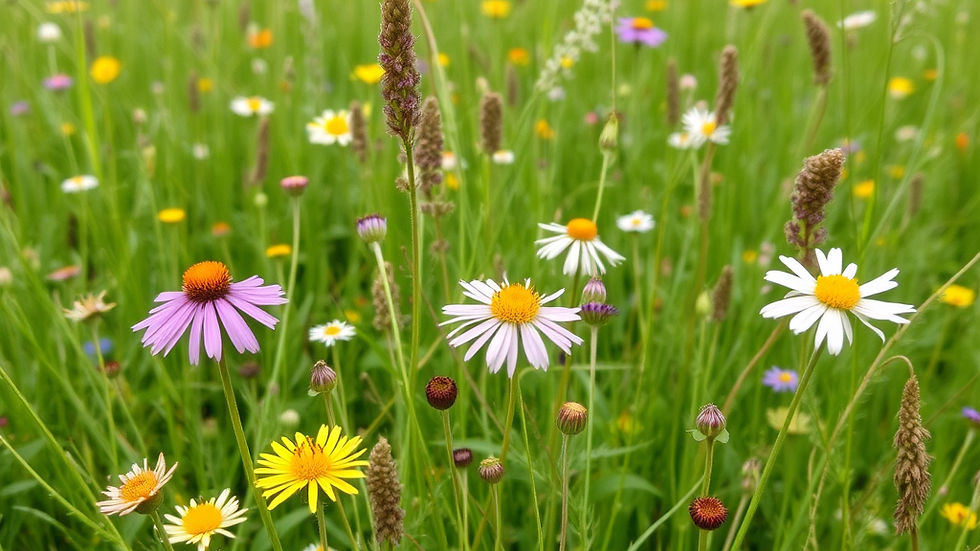
Gardening with native plants offers many benefits. Native plants are adapted to local climate and soil, require less water and maintenance, and support local wildlife like pollinators and birds. For gardeners in New Jersey, choosing native species helps create a sustainable, thriving garden that reflects the natural beauty of the region. This guide explains how to start a native garden in New Jersey and highlights some of the best native plants to include.

Why Choose Native Plants for Your Garden?
Native plants have evolved over thousands of years to thrive in New Jersey’s specific conditions. This means they:
Need less watering once established
Resist local pests and diseases better
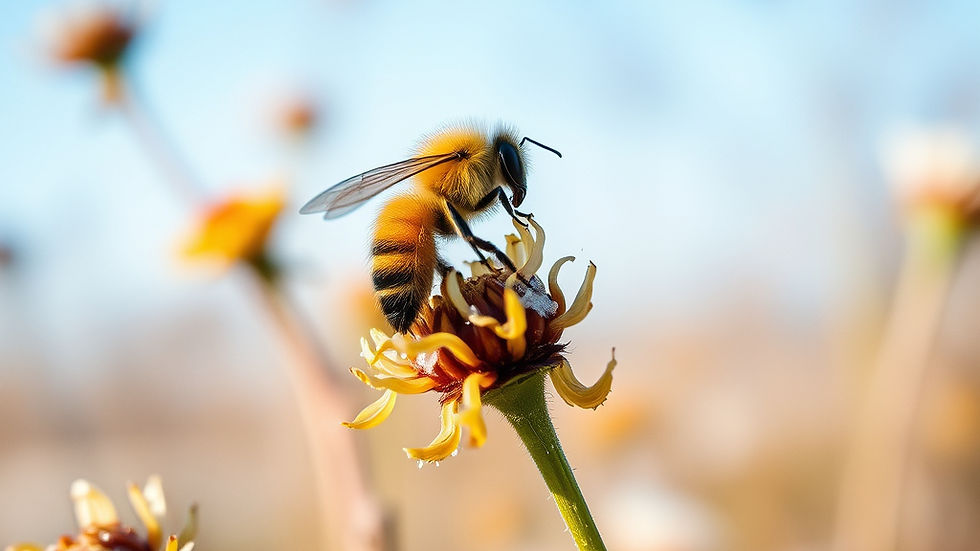
Provide food and habitat for native birds, butterflies, and bees
Help maintain soil health and prevent erosion
Using native plants reduces the need for fertilizers and pesticides, making your garden more eco-friendly. Plus, native gardens often require less upkeep, freeing you to enjoy your outdoor space more.
Planning Your Native Garden
Start by assessing your garden’s conditions:
Sunlight: Is your garden mostly sunny, partly shaded, or shaded?
Soil type: Is the soil sandy, clayey, or loamy? Native plants vary in their soil preferences.
Moisture: Does your garden stay dry, stay wet, or have a mix?
Knowing these factors helps you select plants that will thrive naturally. Group plants with similar needs together to make care easier.
Consider adding layers to your garden:
Trees and shrubs for structure and shade
Perennials and grasses for color and texture
Groundcovers to reduce weeds and keep soil moist
Top Native Plants for New Jersey Gardens
Here are some excellent native plants suited for different parts of your garden:
Trees and Shrubs
Red Maple (Acer rubrum)
A fast-growing tree with brilliant red fall foliage. It tolerates wet soils and provides shade.
Serviceberry (Amelanchier canadensis)
A small tree or large shrub with white spring flowers and edible berries that attract birds.
Highbush Blueberry (Vaccinium corymbosum)
A shrub with beautiful white flowers and tasty blueberries. Prefers acidic, well-drained soil.
Perennials and Wildflowers
Purple Coneflower (Echinacea purpurea)
A drought-tolerant perennial with large purple flowers that attract butterflies and bees.
Black-eyed Susan (Rudbeckia hirta)
Bright yellow flowers that bloom from summer to fall, easy to grow in full sun.
New England Aster (Symphyotrichum novae-angliae)
Late-season blooms in purple and pink that provide nectar for pollinators.
Grasses and Groundcovers
Little Bluestem (Schizachyrium scoparium)
A native grass with blue-green foliage that turns reddish-orange in fall.
Wild Ginger (Asarum canadense)
A low-growing groundcover with heart-shaped leaves, perfect for shady spots.
Pennsylvania Sedge (Carex pensylvanica)
A fine-textured grass-like groundcover that tolerates shade and dry soils.
Essential Tips for a Successful Native Garden
Start small: Begin with a few plants and expand as you learn what works best.
Use local sources: Buy plants from native plant nurseries or seed suppliers to ensure genetic suitability.
Avoid invasive species: Some non-native plants can spread aggressively and harm native ecosystems.
Mulch naturally: Use shredded leaves or bark to retain moisture and improve soil health.
Water wisely: Water new plants regularly until established, then reduce watering.
Encourage wildlife: Add birdhouses, bee hotels, or a small water feature to support local animals.
Maintaining Your Native Garden
Native gardens need less care but still benefit from seasonal attention:
Remove invasive weeds regularly.
Cut back perennials in late winter or early spring to encourage new growth.
Monitor for pests and diseases, but avoid chemical treatments unless necessary.
Add compost or organic mulch yearly to keep soil fertile.