Planting and Care Guide for Flowers Native to NJ

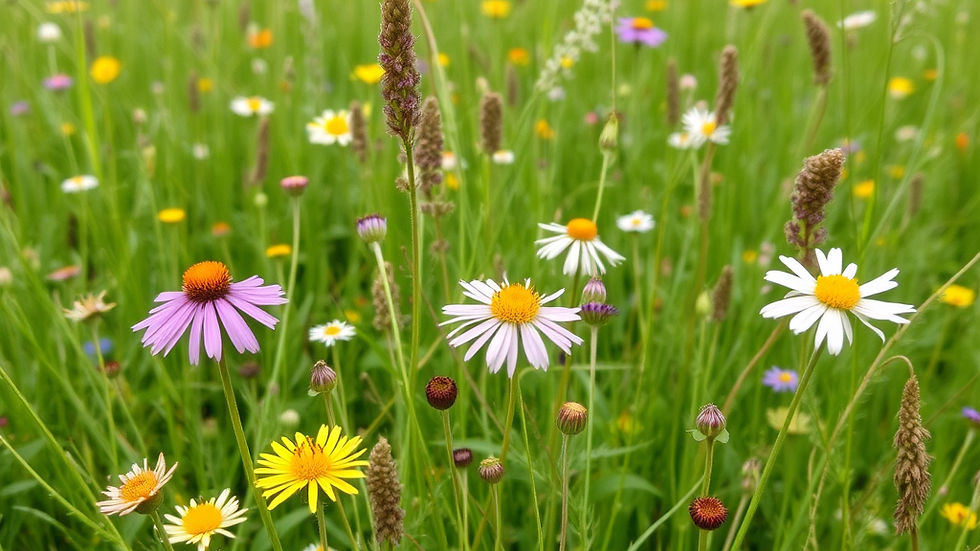
Gardening with native flowers offers many benefits. Native plants are adapted to New Jersey’s climate and soil, making them easier to grow and maintain. They also support local wildlife, including pollinators like bees and butterflies. This guide explains when to plant popular native flowers in New Jersey and how to care for them to create a thriving garden.
When to Plant Native Flowers in New Jersey
Timing is key to successful planting. New Jersey’s climate has cold winters and warm summers, so planting schedules vary by flower type.
Spring Planting
Many native wildflowers do best when planted in early spring after the last frost. This gives them a full growing season to establish roots and bloom.
Trillium: Plant rhizomes in early spring in shaded, moist soil.
Bloodroot (Sanguinaria canadensis): Plant roots in early spring in partial shade.
Virginia Bluebells (Mertensia virginica): Sow seeds or transplant in early spring in moist, well-drained soil.
Fall Planting
Some native flowers benefit from fall planting. This allows roots to develop during the cool months and prepares plants for spring growth.
Black-eyed Susan (Rudbeckia hirta): Sow seeds in fall for blooms the following summer.
Purple Coneflower (Echinacea purpurea): Plant seeds or seedlings in fall or early spring.
Wild Bergamot (Monarda fistulosa): Sow seeds in fall to encourage strong root growth.
Summer Planting
Summer planting is less common but possible for some species if you provide enough water and shade.
Butterfly Weed (Asclepias tuberosa): Plant seedlings in early summer in full sun.
New England Aster (Symphyotrichum novae-angliae): Transplant seedlings in summer with regular watering.
How to Care for Native Flowers in New Jersey
Native flowers require less care than non-native species but still need attention to thrive.
Soil Preparation
Most native flowers prefer well-drained soil with organic matter. Test your soil pH; many native plants thrive in slightly acidic to neutral soil (pH 6.0 to 7.0). Amend heavy clay or sandy soils with compost to improve texture and fertility.
Watering
New Jersey’s rainfall varies, so supplemental watering is important during dry spells, especially for newly planted flowers. Water deeply once or twice a week rather than frequent shallow watering. This encourages deep root growth.
Sunlight Requirements
Full sun plants like Butterfly Weed and Black-eyed Susan need at least 6 hours of direct sunlight daily.
Partial shade plants such as Trillium and Bloodroot prefer dappled sunlight or morning sun with afternoon shade.
Mulching
Apply a 2-3 inch layer of organic mulch around plants to retain moisture, regulate soil temperature, and suppress weeds. Avoid piling mulch against stems to prevent rot.
Fertilizing
Native flowers generally do not require heavy fertilization. If needed, use a balanced, slow-release fertilizer in early spring. Avoid high-nitrogen fertilizers which can promote excessive leaf growth at the expense of flowers.
Pruning and Deadheading
Remove spent flowers (deadheading) to encourage more blooms and prevent unwanted self-seeding. Cut back perennials in late fall or early spring to tidy the garden and prepare for new growth.
Pest and Disease Management
Native flowers are usually resistant to pests and diseases. Monitor plants regularly for signs of trouble. Use natural remedies like insecticidal soap or neem oil if pests appear. Avoid chemical pesticides to protect pollinators.
Examples of Popular Native Flowers in New Jersey
Black-eyed Susan (Rudbeckia hirta)
Planting time: Fall or early spring
Sunlight: Full sun
Care tips: Tolerates drought once established, deadhead to prolong bloom
Purple Coneflower (Echinacea purpurea)
Planting time: Fall or early spring
Sunlight: Full sun to partial shade
Care tips: Attracts butterflies, cut back in late fall
Wild Bergamot (Monarda fistulosa)
Planting time: Fall
Sunlight: Full sun to partial shade
Care tips: Prone to powdery mildew; ensure good air circulation
Trillium
Planting time: Early spring
Sunlight: Partial to full shade
Care tips: Prefers moist, rich soil; slow to establish but long-lived
Butterfly Weed (Asclepias tuberosa)
Planting time: Early summer
Sunlight: Full sun
Care tips: Drought tolerant; important for monarch butterflies
Growing Native Flowers in New Jersey
Choosing native flowers for your garden supports local ecosystems and reduces maintenance. Planting at the right time and providing proper care helps these plants flourish. Start with easy-to-grow species like Black-eyed Susan or Purple Coneflower, then expand your garden with more specialized natives like Trillium or Wild Bergamot.