Protecting Our Pollinators in NJ Over the Winter

Pollinators play a vital role in maintaining healthy ecosystems and supporting agriculture. In New Jersey, a variety of pollinators contribute to the environment by helping plants reproduce, which in turn supports wildlife and food production. But as winter approaches, these important creatures face challenges that threaten their survival. Understanding how pollinators benefit the environment, recognizing the types found in New Jersey, and learning what people can do to help them during the colder months can make a real difference.
How Pollinators Benefit the Environment
Pollinators such as bees, butterflies, moths, birds, and bats transfer pollen from one flower to another, enabling plants to produce fruits, seeds, and new plants. This process supports biodiversity and food chains. Without pollinators, many plants would fail to reproduce, leading to fewer food sources for animals and humans alike.
In New Jersey, pollinators contribute to the growth of native plants, which provide habitat and food for other wildlife. They also support agricultural crops like blueberries, apples, and tomatoes. The economic value of pollination in the U.S. is estimated at billions of dollars annually, highlighting how essential these creatures are to both natural ecosystems and human food systems.
Types of Pollinators in New Jersey
New Jersey hosts a diverse group of pollinators, each with unique habits and roles:
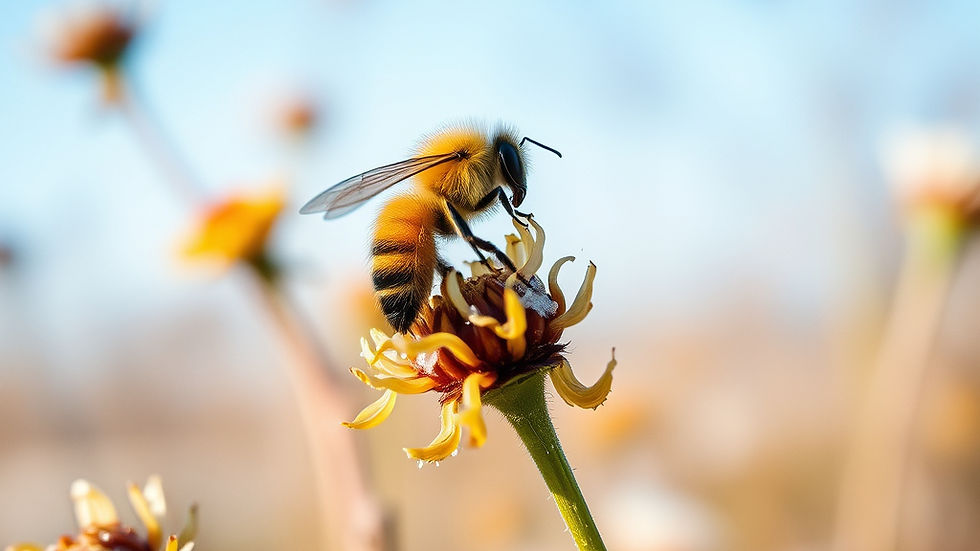
Honeybees: Though not native, honeybees are common and important for crop pollination. They live in colonies and are active from spring through fall.
Bumblebees: Native to the region, bumblebees are larger and fuzzier than honeybees. They can pollinate in cooler temperatures, making them valuable in early spring and late fall.
Butterflies: Species like the monarch and eastern tiger swallowtail visit flowers for nectar and help pollinate plants.
Moths: Active mostly at night, moths pollinate night-blooming flowers.
Hoverflies: These flies resemble bees and feed on nectar, contributing to pollination.
Hummingbirds: Though less common, hummingbirds visit tubular flowers and assist with pollination.
Each of these pollinators has adapted to New Jersey’s climate and plant life, but winter poses a serious challenge for their survival.
Challenges Pollinators Face in Winter
Winter in New Jersey brings cold temperatures, snow, and a scarcity of flowers. Pollinators must find ways to survive when food is scarce and conditions are harsh. Many species enter a state of dormancy or hibernate, while others rely on stored food.
Unfortunately, habitat loss, pesticide exposure, and climate change have made winter survival more difficult. For example, the loss of natural areas with native plants means fewer places for pollinators to shelter or find late-season nectar. Pesticides can weaken pollinators, reducing their ability to survive cold months.
What People Can Do to Help Pollinators in Winter
Supporting pollinators during winter requires thoughtful actions that provide shelter, food, and protection. Here are practical steps anyone can take:
Plant Native Flowers That Bloom Late or Early
Planting native species that bloom in late fall or early spring offers food when most plants are dormant. Examples include:
Goldenrod (Solidago spp.) blooms in late summer and fall.
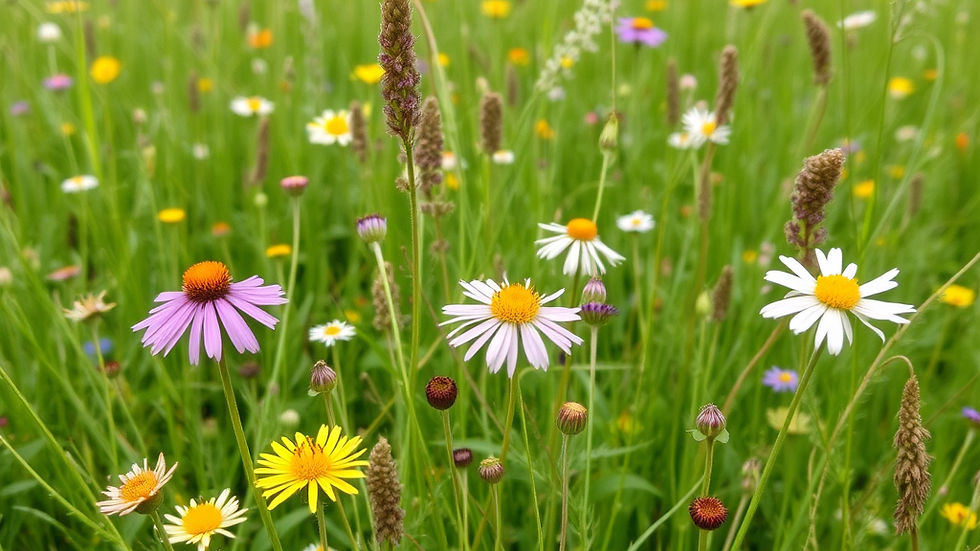
Asters bloom in late summer through fall.
Winterberry holly (Ilex verticillata) provides berries for birds.
Willows bloom early in spring, providing nectar for emerging pollinators.
These plants help pollinators build energy reserves before winter or feed as they become active again.
Create Shelter and Nesting Sites
Pollinators need safe places to rest and overwinter. You can:
Leave dead wood, hollow stems, and leaf litter undisturbed in your garden.
Build or buy bee houses designed for solitary bees.
Avoid raking all leaves; some pollinators overwinter in leaf piles.
Preserve natural habitats like meadows and forests near your home.
Avoid Pesticides and Chemicals
Pesticides can harm pollinators directly or weaken their immune systems. Choose organic gardening methods or use targeted treatments only when necessary. Always apply pesticides in the early morning or late evening when pollinators are less active.
Support Local Conservation Efforts
Join or support local groups focused on pollinator conservation. Many organizations in New Jersey run programs to restore habitats and educate the public. Volunteering or donating can amplify your impact.
Provide Water Sources
Even in winter, pollinators need water. Keep shallow dishes with fresh water available, and make sure they don’t freeze. Adding small stones or twigs helps pollinators land safely.
Why Winter Care Matters
Helping pollinators survive winter ensures they can continue their essential work in spring and summer. Healthy pollinator populations support plant diversity, food crops, and wildlife. Small actions by individuals add up to stronger ecosystems and a more vibrant environment.
By planting native flowers, creating shelter, avoiding harmful chemicals, and supporting conservation, New Jersey residents can protect pollinators year-round. This care not only benefits pollinators but also enriches gardens, farms, and natural areas.