Seed Bombs: A Creative Garden Activity


Planting seeds can sometimes feel like a chore, especially for kids who want to see quick results. Seed bombs offer a fun and hands-on way to grow wildflowers while learning about nature. These small balls made from cla
y, potting soil, and wildflower seeds make planting easy and exciting. This activity encourages children to connect with the environment and understand how plants grow, all while having fun outdoors.
What Are Seed Bombs?
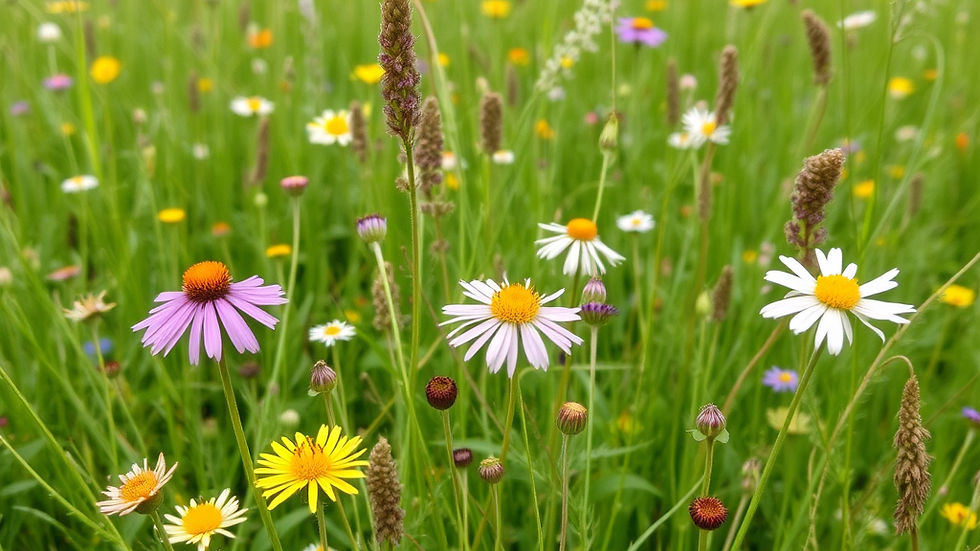
Seed bombs are small, round balls that contain wildflower seeds wrapped in a mixture of clay and potting soil. The clay protects the seeds from birds and insects, while the soil provides nutrients to help the seeds grow once planted. When thrown or placed on bare soil, seed bombs break down naturally, allowing the seeds to sprout and grow into flowers.
This method is a creative way to plant seeds in places where digging is difficult or where you want to add color to an empty patch of land. Seed bombs are also a great tool for teaching kids about gardening and the life cycle of plants.
Why Use Seed Bombs for Kids?
Kids love activities that involve making and creating. Seed bombs combine crafting with gardening, making the process of planting seeds more engaging. Instead of simply dropping seeds on the ground, children get to mix materials, shape the bombs, and watch their creations grow.
This activity teaches responsibility and patience. Kids learn that plants need time, water, and sunlight to grow. Seed bombs also encourage outdoor play and exploration, which supports physical health and curiosity about the natural world.
Materials Needed to Make Seed Bombs
Gathering the right materials is the first step. Here’s what you will need:
Clay powder or natural clay: This binds the seed bomb and protects the seeds.
Potting soil: Provides nutrients for the seeds.
Wildflower seeds: Choose seeds that grow well in your local climate.
Water: To moisten the mixture.
A mixing bowl: To combine ingredients.
A tray or newspaper: For drying the seed bombs.
Using wildflower seeds is ideal because they attract pollinators like bees and butterflies, which help the environment.
Step-by-Step Guide to Making Seed Bombs
Follow these simple steps to create your own seed bombs:
Mix the dry ingredients
Combine 3 parts clay powder with 5 parts potting soil in the mixing bowl.
Add seeds
Add 1 part wildflower seeds to the dry mix. Stir gently to distribute the seeds evenly.
Add water slowly
Pour in a small amount of water and mix until the mixture feels like dough. It should be moist but not too wet.
Form the seed bombs
Pinch off small amounts of the mixture and roll them into balls about the size of a marble.
Dry the seed bombs
Place the balls on a tray or newspaper and let them dry for 24 to 48 hours. They should harden but not crack.
Plant or store
Once dry, seed bombs can be thrown onto bare soil or stored in a cool, dry place until ready to use.
Tips for Planting Seed Bombs
Planting seed bombs is easy and fun. Here are some tips to get the best results:
Choose a sunny spot with bare soil or grass.
Throw or gently place the seed bombs on the ground.
Water the area if possible, especially during dry weather.
Avoid planting during heavy rain to prevent seed bombs from washing away.
Be patient; wildflowers may take a few weeks to sprout.
This method works well in gardens, parks, or even neglected urban spaces where flowers can brighten the area.
Educational Benefits of Seed Bombs for Kids
Seed bombs offer more than just a fun craft. They provide valuable learning experiences:
Understanding plant growth: Kids see how seeds develop into flowers.
Learning about ecosystems: Wildflowers support bees, butterflies, and other insects.
Encouraging environmental care: Children learn the importance of green spaces.
Developing fine motor skills: Rolling seed bombs helps with hand coordination.
Promoting teamwork: Making seed bombs can be a group activity.
Teachers and parents can use seed bombs as a tool to introduce science and nature topics in an interactive way.
Fun Variations to Try
To keep the activity fresh and exciting, try these variations:
Use different types of seeds like herbs or vegetables.
Add natural colorants like beetroot powder to the clay for colorful seed bombs.
Create themed seed bombs for holidays or special occasions.
Make seed bombs with recycled paper pulp for an eco-friendly twist.
These ideas encourage creativity and make planting even more enjoyable.
Encouraging Kids to Care for Their Seed Bombs
After planting, kids should check on their seed bombs regularly. Encourage them to:
Water the area gently if it hasn’t rained.
Observe changes and note when sprouts appear.
Take photos or draw pictures of the growing plants.
Share their progress with friends or family.
This ongoing care builds a connection to nature and a sense of accomplishment.